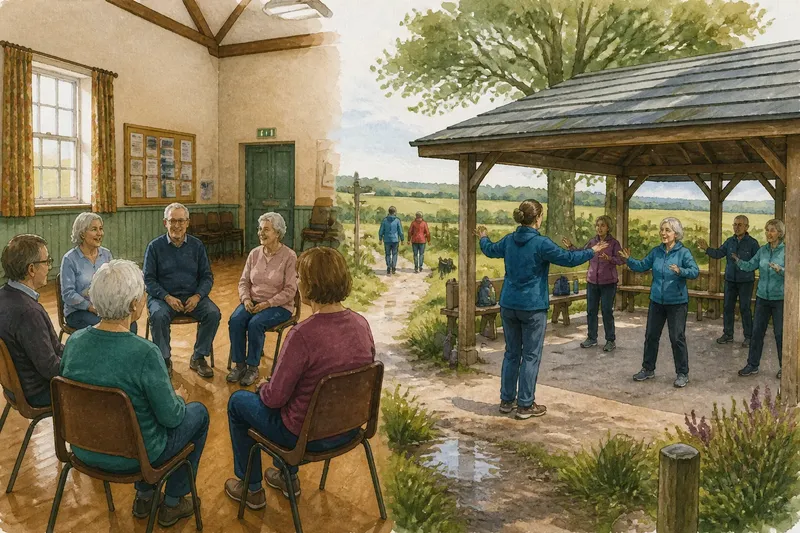
Why Changing Rooms Shape Shared Fitness Spaces
Changing rooms in shared fitness spaces can protect privacy, handle wet kit and keep activity areas usable, with practical choices for rural venues.
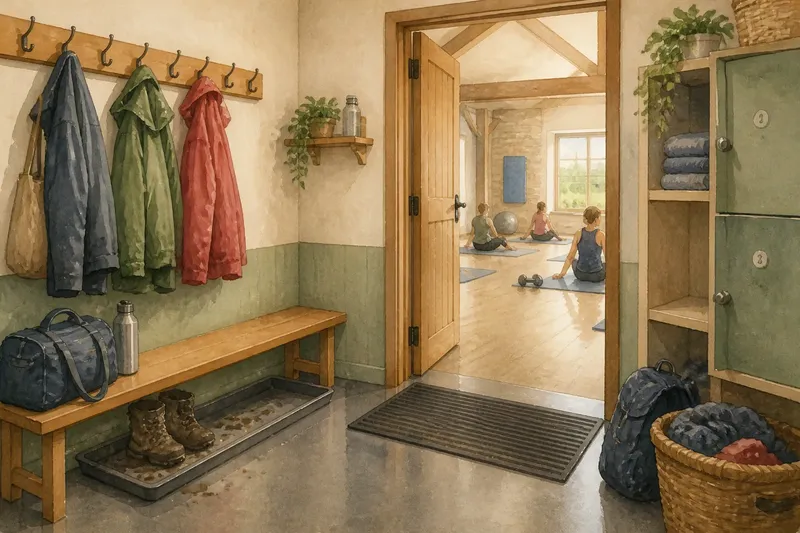
Where can you change out of a rain-soaked coat without interrupting a class or feeling on display? In a shared fitness space, the changing room should make that ordinary moment comfortable, while keeping muddy footwear, damp kit and personal belongings from taking over the activity area.
For a rural hall, community gym or converted outbuilding, the room is also a piece of working infrastructure. Its layout affects privacy, cleaning, storage and how the venue accommodates different users. Focus on those demands, rather than treating the changing room as a decorative extra.
Plan for wet kit
Country venues often host people arriving on foot, by bicycle or straight from outdoor work. A wet coat needs somewhere to hang; muddy shoes need a place that will not spread grit across exercise flooring. Hooks, a wipeable bench and a boot tray can help, provided they do not narrow the route or create a tripping hazard.
Choose surfaces for the tasks they must handle. A washable floor is easier to deal with after muddy footwear than absorbent carpet, while a slatted or wipe-clean bench is more practical than upholstery that holds damp. Keep cleaning materials in a designated cupboard, not beside the changing bench, and follow the product instructions for any cleaning agents.
Say a fictional village hall has one changing bench, a coat rail and a smooth floor shared with the route to the exercise room. The committee notices that wet coats drip onto the bench and grit travels towards the mats. It adds a drip tray beneath the rail and places a boot mat at the transition, then checks after sessions whether the bench stays drier and the mat catches visible dirt. If the mat curls or obstructs the route, it is removed or replaced with a safer option.
Protect personal privacy
People should be able to change without being visible from an entrance, corridor or activity room. Check the view from each doorway and window while standing at the points where passers-by might be. A modest screen, a repositioned hook rail or a door that opens away from the changing area may solve a sightline problem without making the room hard to find.
Privacy also depends on the arrangement inside. Separate changing cubicles can offer discretion where a room is shared, while a communal changing area may suit a venue’s users and available space. If accessible or shared facilities are provided, identify them plainly and keep them available for their intended use rather than turning them into general storage.
Do not rely on signs alone to make an exposed layout acceptable. If a visitor can be seen changing through an open door, adjust the sightline or the door arrangement.
Make storage usable
Bags and coats can quickly consume a small room. Give everyday belongings a predictable place with hooks, a shelf or lockers suited to the venue’s arrangements. Leave enough clear floor space for people to sit, move and reach their belongings; avoid placing storage where it blocks the exit or cuts across access to a changing space.
Decide how valuables are handled before posting instructions. A venue might ask people to keep valuables with them, or provide secure storage if it can manage keys and access responsibly. State the actual arrangement in plain language, and do not imply that personal items are protected if the facility does not provide that protection.
A useful storage routine is specific: say where bags go, what happens to outdoor shoes and whether belongings may be taken into the activity room. That prevents a pile of bags from becoming the room’s unofficial furniture.
Check the room in use
A floor plan cannot reveal every pinch point. Observe the room during normal arrivals and departures, noting where people wait, where belongings accumulate and whether doors can open freely. Ask users with different mobility needs what obstructs them; where building access or safety requirements are unclear, consult a qualified professional or the relevant local authority.
- Check that the changing-room door opens without hitting a bench or bag; if it does, then move the obstruction, or change the furniture arrangement.
- Check whether wet coats drip onto a seat or walkway; if they do, then add a suitable drip-catching area, or relocate the rail.
- Check whether outdoor shoes leave grit on the activity route; if they do, then provide a clearly placed boot tray or mat, or set a different footwear routine.
- Check whether a person changing is visible from a public doorway; if they are, then add screening or alter the door arrangement, or restrict the sightline with a suitable layout change.
- Check whether bags block access to hooks, seats or the exit; if they do, then move storage to a designated area, or reduce the number of items kept in the room.
- Check whether cleaning supplies are stored where users change; if they are, then move them to a designated cupboard, or provide a separate secured storage point.
- Check whether the room’s instructions match the facility actually provided; if they do not, then rewrite the notice to describe the real arrangement, or remove the misleading instruction.
Questions about changing rooms?
What belongs in a small changing room?
Start with seating, coat hooks and a defined place for outdoor footwear and bags. Add lockers or screens only where the venue can maintain them and they do not obstruct movement.
How can a shared changing room feel more private?
Check views from doors and windows, then use a screen or rearrange the entrance if people changing are exposed. Keep the route understandable while blocking direct sightlines.
Should outdoor shoes be allowed in the activity room?
That depends on the floor, the sessions and the venue’s cleaning arrangements. State one clear routine, such as changing footwear before entering the exercise area, and provide a practical place for shoes.
How often should the room be checked?
Check it as part of the venue’s ordinary opening, cleaning and closing routines, and again when users report a problem. The appropriate schedule depends on how the facility is used and its own operating requirements.
Keep improvements specific
Changing rooms in shared fitness spaces work better when their everyday jobs are clear: contain wet kit, protect privacy, give belongings a place and leave routes unobstructed. If a concern is raised, identify the exact obstruction or exposure, make a focused adjustment and check whether the room now works for the people using it.
Keep a note of the chosen footwear and storage routines beside the relevant facilities, and update it whenever the arrangement changes. That small bit of upkeep helps the room remain useful through muddy sessions, busy arrivals and the quiet work of getting the building ready for its next group.