Village Hall or Open Shelter for Group Activity?
Village hall or open shelter for group activity? Compare the social feel, sound, weather and practical limits to choose a setting your group can enjoy.
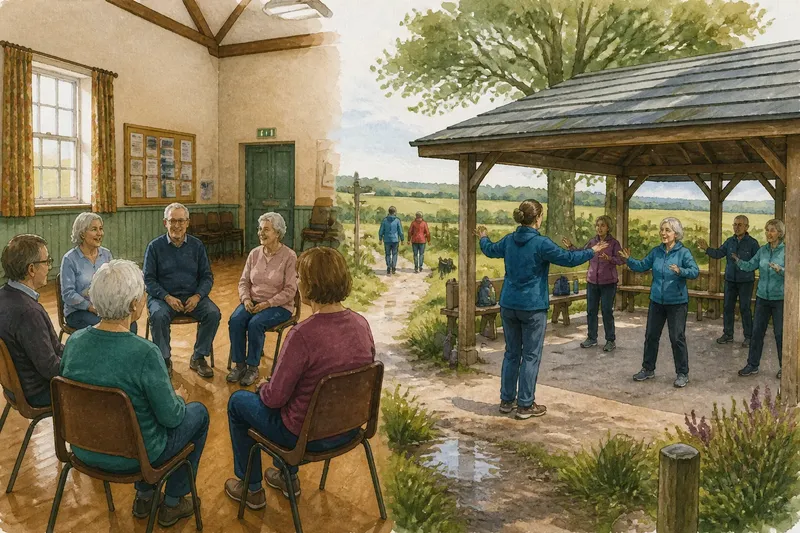
Which setting will help your group feel at ease: a village hall or an open shelter? For village hall or open shelter group activity, the choice is less about indoor versus outdoor exercise than about the kind of company the session invites. A hall can make a small group feel private; a shelter can turn a pause into a conversation with the landscape.
Think about the session’s social character before its layout. Does it ask people to concentrate quietly, learn alongside one another, or chat between turns? The answer can point towards the right venue even before you consider the day’s weather.
Privacy and participation
A village hall creates a boundary between the group and the surrounding community. That can be reassuring for someone trying an unfamiliar activity, especially if they would rather not be watched by passers-by. But a large room with rows of chairs may feel more like a formal meeting than a relaxed gathering.
An open shelter makes the activity part of its setting. The sound of birds or a glimpse of a field can make a session feel less enclosed, while a busy footpath may leave some people self-conscious. Ask participants what kind of setting helps them take part, rather than assuming fresh air feels welcoming to everyone.
Say a new group is choosing a home for a gentle movement session. If members say they would prefer not to be visible from the village path, the hall is the more suitable option; if they like the idea of being outdoors and watching the fields, the shelter may suit them better.
Sound and attention
In a hall, hard floors and bare walls can make voices echo. Curtains, rugs or soft furnishings may soften the room, if the venue permits them, but a leader should still use short instructions and demonstrate unfamiliar movements. A circle of chairs can also help participants see one another rather than focus only on the person leading.
Under a shelter, there is no enclosed echo, but wind, rain on the roof or nearby conversations can make speech harder to follow. Choose a place where people can see the leader’s face, and agree on a simple visual cue, such as a raised hand, for pauses or changes of activity.
For an important instruction, stop competing conversation first; then speak plainly and show the movement.
Weather and seasonal mood
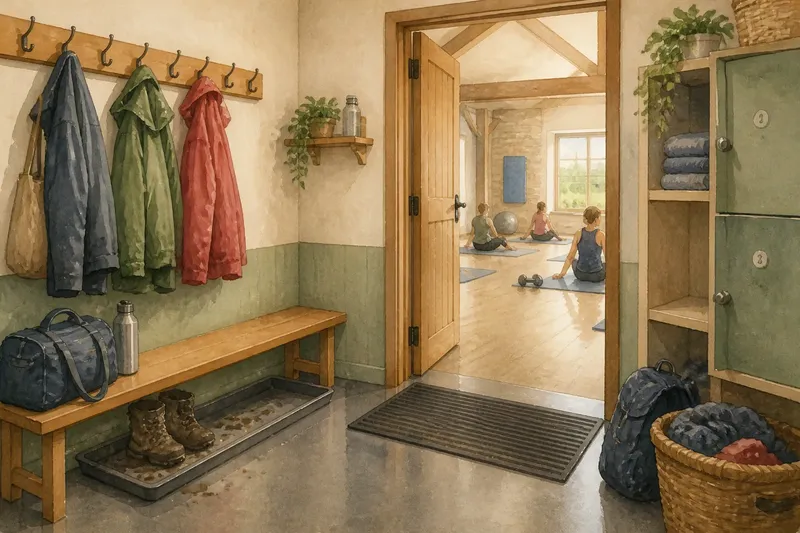
A shelter can make a summer gathering feel connected to the countryside, but a roof does not block wind or damp air from open sides. In colder or unsettled weather, participants may spend more attention on staying comfortable than on the activity. A hall offers greater separation from the elements, though reaching it in wet weather still means dealing with coats and muddy footwear.
Season can shape the mood as much as comfort. A shelter may make a short outdoor session feel lively in mild weather, while a hall gives a group a dependable indoor setting for winter evenings or a quiet activity. Check the conditions near the session and have a clear alternative venue or cancellation plan when the chosen space becomes unsuitable.
Culture and shared use
A village hall often hosts different local groups, so its atmosphere may carry traces of other activities: a noticeboard, a familiar kitchen, or chairs arranged for a meeting. That shared history can help newcomers feel part of village life. It can also mean that furniture or room use is governed by the venue’s arrangements.
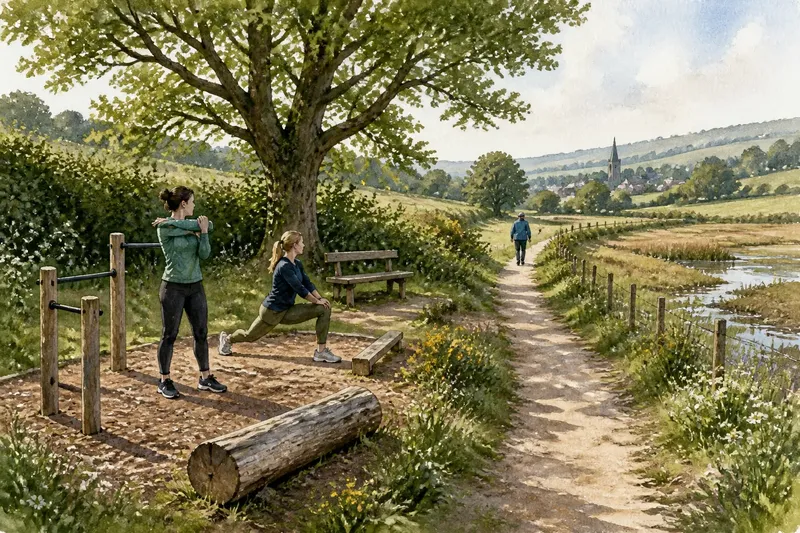
An open shelter is usually more closely tied to its surroundings. It may be used by walkers, families or other community groups, and the session shares the space with them. Find out whether booking is needed and how the group should respond if other people are already using the shelter. A friendly, flexible attitude can matter more than claiming the best spot.
Which setting suits your group?
Is a village hall better for a quiet class?
Often, particularly if participants value privacy or need a calmer place to listen. Check the room’s echo and whether its usual furniture can be arranged to support the activity.
Can an open shelter work in winter?
It may work for a short session when conditions are comfortable and the shelter remains suitable for the planned activity. If wind, damp or cold distracts the group, use an indoor alternative or postpone.
How can I make a hall feel less formal?
Where the venue allows, arrange chairs in a loose circle and use a brief welcome before the activity begins. Keep the session’s tone conversational rather than treating the room like a classroom.
Should the group use both venues?
It can, if the setting suits the activity and participants know where each session will take place. Share the venue choice in advance and explain any change plainly.
A worked venue choice
Imagine a village group planning a conversational balance class. The starting facts are hypothetical: participants want to talk in pairs, the shelter sits beside a well-used path, and the hall is available for the session. The organiser compares the options, asks the group whether passers-by would feel distracting, and hears that several people would prefer privacy. The decision is to use the hall and arrange chairs in a loose circle for the opening conversation; the trade-off is losing the outdoor view in exchange for a more private setting.
For village hall or open shelter group activity, match the place to the experience participants want, not to a simple rule about indoor or outdoor exercise. A quick conversation with the group and the venue contact can reveal whether privacy, shared community use or the seasonal atmosphere matters most on the day.